


- Admin
- Oct 12, 2026
- articles
Is Travel to Iran Safe? A Comprehensive Guide to Family Travel and Ecotourism
Introduction
Many travelers planning to pack their bags for the first time and discover the beauty of Iran's ancient plateau face a fundamental concern before choosing a hotel, a road, or a list of attractions: What is everyday life in the country really like, and is it possible to enjoy a peaceful, worry-free, and reassuring trip with family? The images shown in international media often differ considerably from the rhythm of real life in the mud-brick alleyways of Yazd, the welcoming plains of Fars, and the lively bazaars of northern Iran.
The central question is: What awaits travelers who set foot in this land? The reality is that everyday life in Iran is closely connected with family life, mothers and children spending time in parks until late at night, and, above all, a longstanding tradition of hospitality. In this comprehensive guide, we present a practical roadmap to travel safety in Iran by exploring three distinctive and accessible destinations: the historic region of Yazd, the mountain villages around Kashan, and the nature trails of Masal. The aim is to help you plan an authentic trip with greater awareness and preparation.
1. The Ancient Mud-Brick City of Yazd: Timeless Tranquility Beneath the Windcatchers
1. Introduction to the Region
Yazd, one of Iran's historic mud-brick cities and a UNESCO World Heritage Site, is a center of coexistence among the religions and ancient cultures of the central Iranian plateau. Its covered, shaded alleyways known as sabats, towering windcatchers, clear underground qanats, and quiet squares create an environment where visitors can experience a sense of familiarity and enduring calm from the moment they arrive.
2. Geographic Features
Yazd lies at an elevation of 1,215 meters above sea level in the Yazd-Ardakan Plain, surrounded by the Shirkuh and Kharanaq mountain areas. Its climate is moderately arid, with bright sunny days and clear, cool nights that are pleasant for evening walks.
3. Best Time to Visit
From early October to the end of May, Yazd generally enjoys its most pleasant weather. In autumn and spring, mild daytime temperatures make walking through the historic district an enjoyable experience.
4. Access Routes and Facilities
- Air and rail: Regular domestic flights and passenger trains connect Yazd with other parts of Iran.
- Road: The Tehran–Qom–Kashan–Yazd route includes paved highways and service stations at intervals along the way.
5. Nearest Cities
Meybod (50 kilometers), Ardakan (60 kilometers), Mehriz (35 kilometers), and Taft (20 kilometers).
6. Accommodation
Yazd has been at the forefront of restoring traditional Iranian houses and converting them into heritage hotels and ecotourism lodges. Historic houses dating from the Qajar and Safavid periods feature inner and outer courtyards with pools, cool earthen walls, and renovated sanitary facilities, providing an intimate and welcoming environment for families.
7. Medical and Public Facilities
Yazd is an important medical center in the Middle East. Specialized hospitals such as Shahid Sadoughi Hospital, active emergency services, and 24-hour pharmacies are available throughout the city and surrounding areas.
8. Experiences with Local People
Interactions between local residents and visitors in Yazd often reflect patience, courtesy, and goodwill. Shopkeepers may offer freshly made qottab pastries and Yazdi cakes, while invitations to drink saffron rock-candy tea are part of the city's everyday hospitality culture.
9. Security Conditions in the Region
Families regularly visit public spaces, international travelers explore the historic district on foot, and tourist police may be present near heritage attractions. However, security conditions can change, so travelers should consult current official advisories and local guidance rather than assume that every area is risk-free.
10. Who Is This Destination Suitable For?
- Cultural tourism, archaeology, and architectural photography
- Relaxed family trips with children and older adults
- Sustainable-living experiences, qanat exploration, and traditional crafts such as termeh weaving
11. Suggested Three-Day Itinerary in Yazd
- Day 1: Arrive in Yazd, check into a traditional ecotourism guesthouse, visit the Jameh Mosque, walk through the historic alleyways, and watch the sunset from the rooftop of a traditional café.
- Day 2: Visit Amir Chakhmaq Square and its complex, the Water Museum, and Dowlatabad Garden, known for its exceptionally tall windcatcher. Buy qottab and baklava from traditional workshops.
- Day 3: Take a half-day trip to the ancient city of Meybod, visit Narin Castle and the Abbasid caravanserai, and return to your starting point.
2. The Foothill Villages of Kashan (Qamsar and Abyaneh): Garden-City Heritage and Red Mud-Brick Architecture
1. Introduction to the Region
Kashan and its surrounding villages, situated along the foothills of the Karkas Mountains, connect the several-thousand-year-old civilization of Sialk with Iran's traditional rural culture. The red village of Abyaneh, with its stepped architecture and historic fabric, and the garden town of Qamsar, known for its Damask rose fields, offer settings where daily life unfolds at a relaxed pace, in harmony with nature and in close contact with local host families.
2. Geographic Features
Abyaneh lies at an elevation of 2,200 meters, while Qamsar stands at 1,900 meters above sea level on the pleasant slopes of the Karkas Mountains. These elevations contribute to cool, fresh air, even though the hot central desert is relatively close.
3. Best Time to Visit
April and May bring the region to life. The fragrance of rosewater fills the garden lanes of Qamsar as the traditional rosewater-distillation season takes place. Autumn, especially October and November, is also an excellent time to enjoy the quiet atmosphere and golden walnut groves of Abyaneh.
4. Access Routes and Facilities
Travelers can reach the area via the Tehran–Isfahan Expressway, following the signs toward Natanz, Abyaneh, or Qamsar. The main roads are paved, but mountain and village routes may vary in condition. Check local road conditions before departure.
5. Nearest Cities
Kashan, approximately 30 kilometers from Qamsar, as well as Natanz, Barzok, and Niasar.
6. Accommodation
Abyaneh offers traditional hotels built with local red earth, while Qamsar and neighboring villages have numerous ecotourism lodges with traditional indoor courtyards, private gardens, and family suites.
7. Medical and Public Facilities
Kashan, Qamsar, and Natanz have medical emergency services, health centers, pharmacies, and road-based Red Crescent ambulance services. Availability and response times can vary by location.
8. Experiences with Local People
Residents of Abyaneh are known for traditional clothing, including women's white floral headscarves called chador-shab and men's loose trousers. Visitors may sample Abbas-Ali bread, homemade sour fruit leather, grape molasses, and pure rosewater distilled directly in copper vessels, offering a taste of traditional Iranian hospitality.
9. Security Conditions in the Region
The area's longstanding cultural traditions and close-knit communities contribute to its welcoming atmosphere. Road patrols and local protective services may also be available. Travelers should nevertheless assess current conditions and follow local safety guidance.
10. Who Is This Destination Suitable For?
- Rural ecotourism and learning about nationally recognized traditions such as traditional rosewater distillation
- Ethnographic photography and traditional architecture
- Relaxing family holidays in a cool mountain climate
11. Suggested Two-Day Itinerary in Kashan and Abyaneh
- Day 1: Arrive in Kashan, visit Fin Garden and the historic Borujerdi and Tabatabaei houses, travel toward Qamsar in the afternoon, and spend the evening at a garden ecotourism lodge.
- Day 2: Travel to the historic village of Abyaneh in the morning, walk through its red-mud-brick lanes, take photographs in local traditional clothing where appropriate, enjoy traditional Kashan dizi stew, and return.
3. The Summer Pastures of Masal and Olsoblangah: Serenity Above an Ocean of Clouds
1. Introduction to the Region
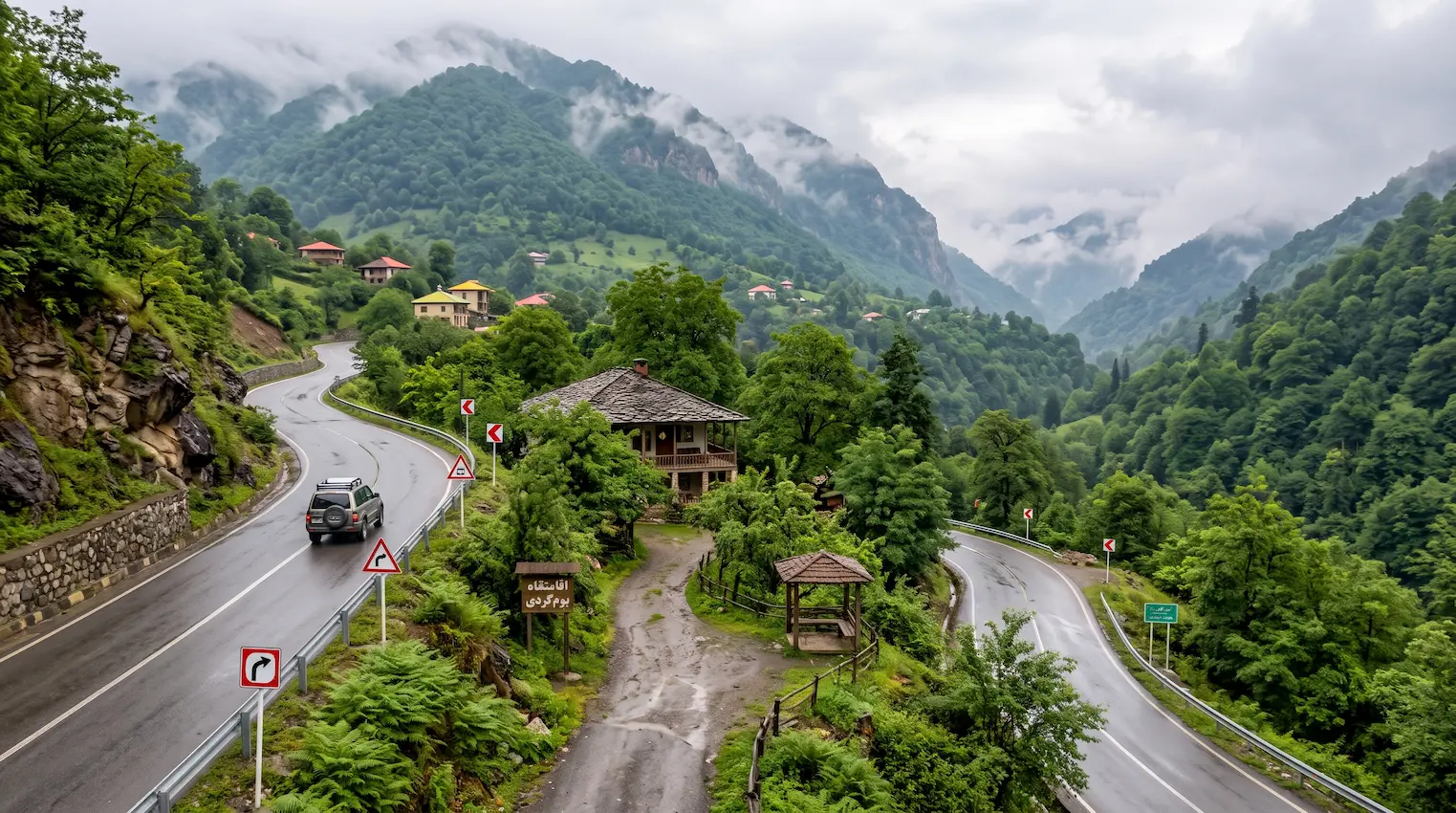
The summer pastures of Masal in western Gilan Province form a striking landscape of rolling green hills, wooden cottages, and thick mist drifting through the valleys below. Masal offers visitors an opportunity to experience local life in the foothills of the Hyrcanian region while enjoying a slower pace and time with family.
2. Geographic Features
Olsoblangah lies at an elevation of approximately 1,480 meters above sea level in the Talesh Mountains. Its humid mountain climate brings cool summers and snowy winters, providing relief from the summer heat and humidity of the northern lowlands.
3. Best Time to Visit
Late May through September is generally the most suitable period for visiting the summer pastures and experiencing the atmospheric phenomenon known as an ocean of clouds. In October, colorful autumn foliage can also make the forest roads particularly scenic.
4. Access Routes and Facilities
The paved route runs from Rasht toward Someh Sara and then Masal. From Masal to the summer settlement of Olsoblangah, a paved mountain road climbs toward the highlands. Road conditions, gradients, and vehicle suitability can vary, so check current local advice before traveling.
5. Nearest Cities
Masal (approximately 25 kilometers), Shanderman, Someh Sara, and Fuman.
6. Accommodation
Visitors can find traditional wooden cottages with wood-burning stoves and balconies overlooking grazing pastures, as well as ecotourism lodges that follow sustainable-tourism principles. Facilities and comfort levels vary between properties.
7. Medical and Public Facilities
Masal has Rasalat Hospital, pharmacies, and medical facilities. Services in the higher pastures may be more limited, and visitors should confirm the availability of emergency assistance, food supplies, and other essentials before arrival.
8. Experiences with Local People
Fresh dairy butter, Taleshi Siyahmazgi cheese, hot komaj bread baked over a wood fire, and lamb shish kebab are among the local foods visitors may encounter. The hospitality of Taleshi shepherds and local families can make the experience especially memorable.
9. Security Conditions in the Region
Local ecotourism networks, nature-support groups, and community hospitality contribute to the area's visitor experience. However, mountain weather, fog, road conditions, and limited services at higher elevations require preparation. Confirm local safety information before overnight stays.
10. Who Is This Destination Suitable For?
- Ecotourism, peaceful nature experiences, and outdoor yoga
- Leisurely horseback riding and light hiking on the slopes
- Community-based ecotourism and a break from urban routines and constant internet access
11. Suggested Two-Day Itinerary in the Masal Highlands
- Day 1: Travel from Rasht to Masal, stop at the local markets, continue along the forest road to Olsoblangah, check into a wooden cottage, walk among the hills, and watch the sunset above the ocean of clouds if weather permits.
- Day 2: Enjoy a local breakfast on the cottage veranda, visit the Sueva Chaleh summer pasture, take photographs, buy local highland honey, and return in the afternoon.
Comparative Table of Destinations for Family-Friendly Ecotourism in Iran
| Destination | Climate | Main Accommodation Type | Distinctive Cultural and Social Features | Medical and Public Services |
|---|---|---|---|---|
| Yazd (historic district) | Arid, mud-brick desert environment | Traditional houses and heritage guesthouses | Desert hospitality, courtesy, and nighttime walking in the historic district | Specialized hospitals and extensive urban services |
| Kashan and Abyaneh | Mountain foothills and gardens | Traditional rural ecotourism lodges | Hospitality and preservation of ancestral traditions | Medical clinics and access to major roads |
| Masal and Olsoblangah | Cool mountain summer pastures | Highland wooden cottages | Taleshi community hospitality and local food | Seasonal Red Crescent facilities and urban hospital services |
Practical Tips for an Enjoyable Trip and Respect for Local Customs
To make your interactions with local communities respectful and rewarding, follow these simple principles:
- Communicate respectfully with residents: Words such as “Salam” (hello), “Khaste nabashid” (a courteous expression acknowledging someone's effort), and “Merci” (thank you), accompanied by a smile, can help establish friendly connections in streets and markets.
- Respect nighttime quiet in villages: Life in ecotourism lodges follows the rhythm of nature. Keeping noise down after 10 p.m. shows consideration for residents and other guests.
- Dress in a way that respects local customs: Comfortable yet modest clothing in traditional neighborhoods demonstrates respect for the host community's cultural traditions.
- Support local women artisans directly: Buying handicrafts such as kilims, felt products, pottery, or homemade food helps support the livelihoods and sustainability of local communities.
Conclusion
A careful, realistic examination of travel safety in Iran requires looking beyond slogans to everyday interactions, the presence of families in public spaces, and the host community's social traditions. From the peaceful covered alleys of Yazd to the rosewater makers of Kashan and the wooden cottages in the green highlands of Masal, these destinations offer different ways to experience Iranian hospitality. Roads, emergency services, medical facilities, and accommodation standards vary by location, so travelers should verify current conditions and plan accordingly.
Imagine sitting at dusk in the courtyard of a traditional house in Yazd. Water rises and falls in a turquoise fountain, the scent of rain-dampened earthen walls fills the air, and your host approaches with a tray of freshly brewed saffron tea. This sense of calm, personal reassurance, and human welcome is one of the experiences many travelers remember after returning home from Iran.
If you are planning to explore the country's historic and natural destinations with family or friends, visit our website to learn about tour-guiding services, specialist travel consultations, and online reservations for ecotourism accommodation, or share your travel questions and concerns in the comments section. Our tourism specialists can help design a personalized itinerary based on your preferences. Plan carefully and discover the country's landscapes and cultural heritage firsthand.
Share on