


- Admin
- Oct 12, 2026
- articles
The Most Comprehensive Iran Travel Guide: From Historic Cities to Local Experiences
Introduction
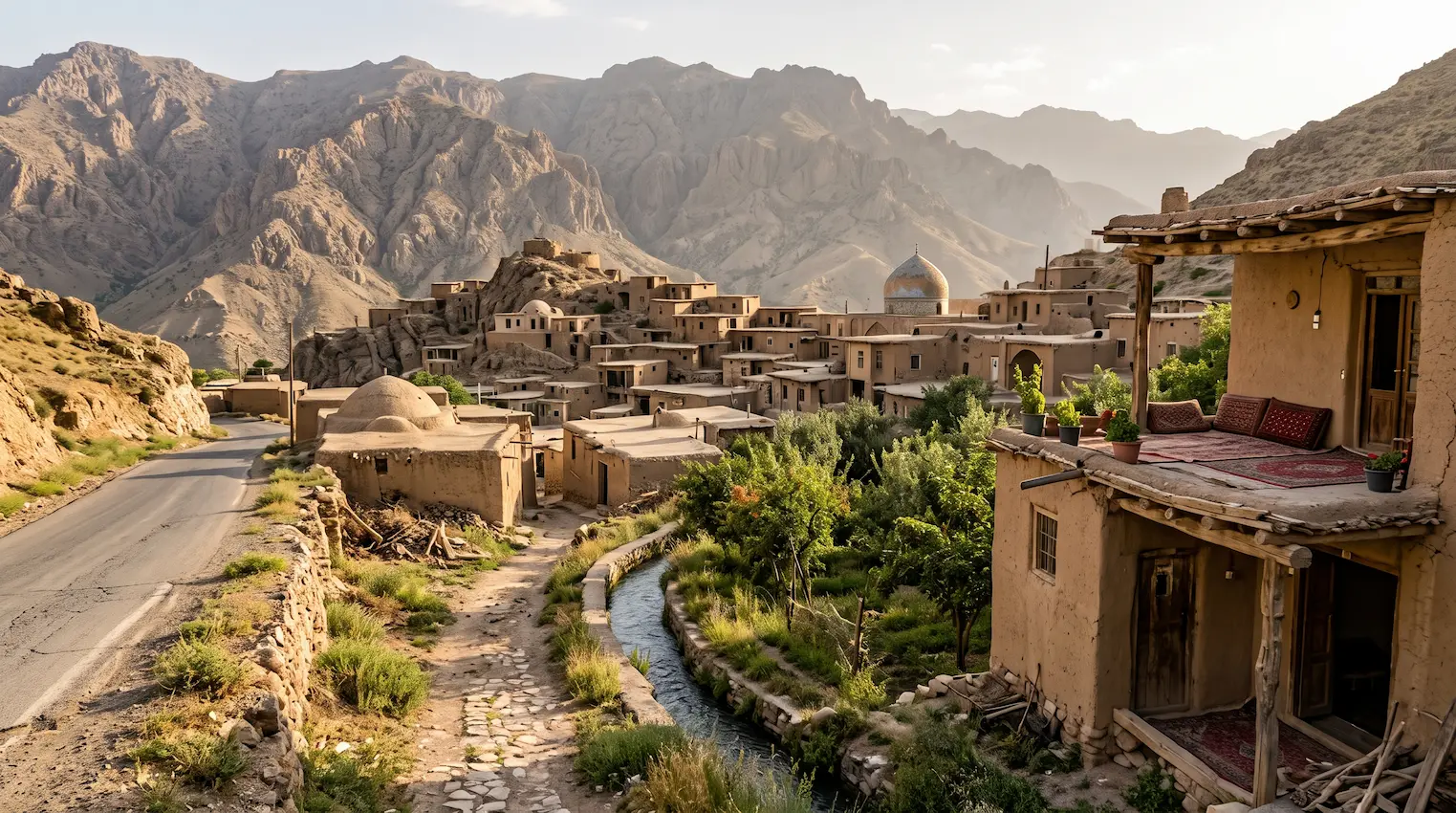
Entering a land with several thousand years of civilization, where the aroma of cardamom and saffron drifts through narrow mud-brick alleyways and the rhythmic hammering of copper engravers echoes across historic squares, inspires indescribable excitement in every traveler. Iran, with its remarkable blend of architectural masterpieces from the ancient and Islamic eras and its four-season biodiversity, is a dream destination for those seeking authentic travel experiences and direct contact with long-established cultures.
However, travelers planning their first visit to this ancient land often have several key questions: Which routes should they begin with? How do transportation systems, visitor facilities, and access routes work? What are the accommodation arrangements in traditional houses and Iranian eco-lodges, and how can visitors experience everyday local life up close in complete comfort? In this Iran travel guide, we explore three classic and captivating tourism destinations—the historic triangle of Isfahan, Shiraz, and the Marvdasht Plain—and present a step-by-step roadmap for a smooth and welcoming journey.
1. Ancient Isfahan: A Reflection of Half the World and the Heart of Safavid Art
1. Introducing the Region
Isfahan, the capital of art and architecture during the Safavid era, is one of the finest cultural destinations on the Iranian Plateau. Naqsh-e Jahan Square, a UNESCO World Heritage Site, the Ali Qapu and Chehel Sotoun palaces, mosques adorned with lapis-blue and multicolored tiles, and the historic bridges over the Zayandeh Rud River have transformed the city into a shining jewel of cultural tourism. Isfahan is not merely a city; it is a living tableau of art, religion, and peaceful urban life.
2. Geographic Characteristics
Isfahan lies at an elevation of 1,570 meters above sea level on the Zayandeh Rud alluvial plain, along the eastern foothills of the Zagros Mountains. Its climate is temperate and relatively dry, with clear skies during much of the year, pleasant sunshine, and peaceful evenings with refreshing foothill air.
3. Best Time to Visit
Spring, from Farvardin through late Ordibehesht (approximately March to mid-May), and autumn, particularly Mehr and Aban (approximately September to November), are the best times to visit Isfahan. During these months, the weather is mild and pleasant, making walks along Chaharbagh Abbasi Avenue and around Naqsh-e Jahan Square especially rewarding.
4. Access Routes and Facilities
- Air travel: Domestic and international flights serve Isfahan International Airport, also known as Shahid Beheshti Airport.
- Rail travel: Isfahan Railway Station connects the city to Iran's national railway network.
- Road travel: The Tehran–Qom–Kashan–Isfahan highway is a multi-lane route with modern service complexes offering restaurants, fuel stations, and well-maintained prayer rooms at regular intervals.
5. Nearest Cities
Najafabad (30 kilometers), Shahin Shahr (25 kilometers), Kashan (200 kilometers), and Shahrekord (100 kilometers).
6. Accommodation Options
Isfahan offers an exceptional range of accommodation, from the historic Abbasi Hotel, housed in a Safavid-era caravanserai, to international luxury hotels and dozens of restored eco-lodges in the traditional neighborhoods around Jubareh and the Jameh Mosque. These accommodations provide an authentic cultural tourism experience.
7. Healthcare and Visitor Facilities
Isfahan is one of the Middle East's advanced medical centers. Specialized hospitals such as Al-Zahra and Khorshid, international clinics, 24-hour pharmacies, the metro network, bus rapid transit (BRT), and bank branches offering currency exchange services operate throughout the city.
8. Experiencing Local Life
The cultured and welcoming people of Isfahan greet visitors with warmth and a distinctive local charm. Enjoying traditional biryani with fresh sangak bread, tasting authentic pistachio gaz and saffron poolaki, and spending time with copper engravers and khatam marquetry artisans in Qeysarieh Bazaar create an exceptional sense of connection with local life.
9. Safety Conditions
Families regularly visit public parks late into the evening, tourism police patrol historic attractions, and the city generally offers a calm urban atmosphere. These features help domestic and international visitors explore pedestrian areas with greater peace of mind.
10. Who Is This Destination Suitable For?
- Cultural and historical tourism, including visits to UNESCO World Heritage Sites
- Architectural photography featuring Islamic arabesques and turquoise domes
- Urban eco-lodge experiences and shopping for some of Iran's finest handicrafts
11. Suggested Three-Day Isfahan Itinerary
- Day 1: Explore Naqsh-e Jahan Square, Sheikh Lotfollah Mosque, Imam Mosque, Ali Qapu Palace, and Qeysarieh Bazaar for handicrafts.
- Day 2: Walk along Chaharbagh Abbasi Avenue, visit Chehel Sotoun Palace and Vank Cathedral, and explore the historic Jolfa neighborhood, stopping for coffee at Armenian cafés.
- Day 3: Take a morning tour of the Jameh Atiq Mosque, a showcase of Iranian architectural history, then walk across Si-o-se-pol and Khaju bridges in the afternoon and sample traditional biryani.
2. The Land of Poetry, Literature, and Persian Gardens: Timeless Shiraz
1. Introducing the Region
Shiraz, Iran's cultural capital and a birthplace of Persian lyrical poetry, is a city where orange-blossom fragrances, mysticism, and ancient history come together. The tombs of Saadi and Hafez, the UNESCO-listed Eram and Jahan Nama gardens, Nasir al-Mulk Mosque, also known as the Pink Mosque, and Vakil Bazaar and Bathhouse make Shiraz one of the most popular destinations for discovering Iranian culture and a relaxed way of life.
2. Geographic Characteristics
Shiraz lies at an elevation of 1,486 meters above sea level on a fertile plain among the southern Zagros Mountains. Its climate is temperate, with relatively hot summers and mild winters, offering a setting away from the pollution commonly associated with major metropolitan areas.
3. Best Time to Visit
Ordibehesht (approximately April to May) is the best time to visit Shiraz, when the fragrance of bitter orange blossoms fills gardens and tree-lined lanes. October and November are also appealing, with pleasant weather, quieter historic sites, and red pomegranates ripening in local orchards.
4. Access Routes and Facilities
- Air travel: Shahid Dastgheib International Airport offers domestic services and international flights connecting Shiraz with countries in the region.
- Rail and road travel: Modern passenger trains operate from cities such as Tehran and Isfahan, while a well-developed highway network provides standard facilities, rest stops, and equipped fuel stations.
5. Nearest Cities
Marvdasht (45 kilometers), Zarqan (25 kilometers), Kazerun (110 kilometers), and Firuzabad (100 kilometers).
6. Accommodation Options
Alongside large luxury hotels, Shiraz is a center for restoring traditional Iranian houses dating from the Qajar and Zand periods in the historic Sang-e Siah district. These traditional eco-lodges feature blue pools, intricately patterned wooden doors, and colorful orosi stained-glass windows, providing a peaceful and culturally immersive stay.
7. Healthcare and Visitor Facilities
Shiraz is a major center for organ transplantation and advanced medicine in the Middle East. Visitors have access to specialized hospitals, 24-hour pharmacies, a modern metro system, app-based taxi services, and tourist information centers.
8. Experiencing Local Life
The people of Shiraz are widely known for their warmth, unhurried manner, and hospitality. Listening to poetry near Hafez's tomb, enjoying Shirazi faloodeh with fresh Jahrom lime juice, and tasting Shirazi kalam polo with aromatic herbs and Shirazi salad offer an authentic introduction to local culinary traditions.
9. Safety Conditions
The welcoming nature of residents, lively evening activity on main streets, and the continued presence of monitoring and security personnel contribute to a reassuring atmosphere in the city's tourist neighborhoods.
10. Who Is This Destination Suitable For?
- Literary and mystical tourism focused on the tombs of celebrated historical poets
- Garden tourism and exploration of Persian Garden design
- Historic eco-lodge stays and authentic local cuisine
11. Suggested Three-Day Shiraz Itinerary
- Day 1: Begin early at Nasir al-Mulk Mosque to see the interplay of light and color, visit Narenjestan-e Qavam and Zinat al-Molk House, and spend the evening at Hafezieh, the tomb complex of Hafez.
- Day 2: Explore the Zand-era complex, including Karim Khan Citadel, Vakil Bathhouse, and Vakil Mosque. Buy herbal distillates at Vakil Bazaar and enjoy an afternoon visit to Eram Garden.
- Day 3: Visit Saadi's tomb, Delgosha Garden, and Quran Gate, then visit Shah Cheragh Shrine and explore cafés in the historic Sang-e Siah district.
3. The Grandeur of Ancient Persia: Marvdasht Plain, Persepolis, and Pasargadae
1. Introducing the Region
The Marvdasht Plain and the Pasargadae area in northern Fars Province were major political, intellectual, and architectural centers of the Achaemenid Empire. The monumental structures of Persepolis, the rock-cut royal tombs and Ka'ba-ye Zartosht at Naqsh-e Rostam, and the tomb of Cyrus the Great at Pasargadae are among the most prominent symbols of ancient Iranian civilization and are recognized as UNESCO World Heritage Sites.
2. Geographic Characteristics
This historic plain lies at an elevation of approximately 1,600 meters above sea level, between the Kor and Sivand rivers. Its climate is semi-arid and mountainous, with open plains, expansive horizons, and relatively clean air.
3. Best Time to Visit
Early March through mid-May, as well as October and November, are the most suitable periods for exploring these open-air archaeological sites. Summer sunshine across the exposed plains can make extended visits tiring.
4. Access Routes and Facilities
The route from Shiraz toward Isfahan provides road access to the region, with Persepolis approximately 45 minutes away by car and Pasargadae about an hour and a half away. Visitor facilities include audio guides, an archaeological museum, large parking areas, internationally standardized signs, and refreshment facilities.
5. Nearest Cities
Marvdasht (5 kilometers from Persepolis), Arsanjan, Saadat Shahr, and Shiraz (55 kilometers).
6. Accommodation Options
In addition to traditional hotels near Persepolis, rural accommodation is available in surrounding villages, including Dashtak, as well as at eco-lodges around Pasargadae. These rural houses provide opportunities to experience the local traditions and everyday life of communities living in the Zagros region.
7. Healthcare and Visitor Facilities
Shahid Motahari Hospital in Marvdasht, emergency response stations at the Persepolis archaeological complex, pharmacies, and Red Crescent ambulances provide healthcare and emergency support in the area.
8. Experiencing Local Life
Spending time with Qashqai nomads and residents of the Marvdasht Plain, tasting traditional churned buttermilk, hot doogh soup, and tiree flatbread, and purchasing handwoven gabbeh rugs and kilims colored with natural plant dyes offer a close connection with Iran's traditional livelihoods and cultural identity.
9. Safety Conditions
The presence of heritage-protection stations, road police, and coordinated monitoring contributes to controlled access and a reassuring environment for families and independent travelers along the roads and at archaeological sites.
10. Who Is This Destination Suitable For?
- Historical tourism, archaeology, and the study of ancient civilizations
- Photography of monumental stone structures and cuneiform inscriptions
- Nomadic eco-tourism and exploration of the traditional lifestyles of southern Iranian tribal communities
11. Suggested One-Day Itinerary for Persepolis and Pasargadae
- Morning: Leave Shiraz early and spend approximately three hours exploring the palaces and columns of Persepolis and the Achaemenid Museum.
- Noon: Visit Ka'ba-ye Zartosht and the Sasanian and Achaemenid reliefs at Naqsh-e Rostam, then enjoy a traditional dizi stew at an eco-lodge in Marvdasht.
- Afternoon: Continue to Pasargadae, admire the tomb of Cyrus the Great at sunset across the plain, and return to Shiraz.
Comparative Table of Iran's Golden Tourism Routes
The following table highlights the defining characteristics of the principal destinations covered in this guide.
| Destination | Key Historical or Cultural Feature | Architectural Style | Suggested Accommodation | Best Time to Visit |
|---|---|---|---|---|
| Isfahan | The height of Safavid art and Naqsh-e Jahan Square | Brickwork, lapis-blue tiles, covered bazaars | Abbasi Hotel and Jolfa eco-lodges | March to May / autumn |
| Shiraz | Persian poetry, Persian gardens, and orange-blossom fragrance | Garden pavilions, stained-glass orosi windows, plasterwork | Traditional houses in the historic Sang-e Siah district | April to May / October and November |
| Marvdasht Plain | Center of the Achaemenid Empire and UNESCO heritage | Monumental ancient stone structures | Jahangardi Hotel and rural eco-lodges | March to May / autumn |
| Yazd (Nearby Route) | One of the world's oldest surviving mud-brick cities, windcatchers, and qanats | Mud brick, covered alleyways, and windcatchers | Traditional boutique hotels in the historic mud-brick district | Autumn and winter |
Practical Tips and Travel Etiquette in Iran
Understanding the following cultural and practical considerations can help make your journey more enjoyable.
- The concept of taarof in Iranian culture: Taarof is a form of verbal politeness and respect. If a shopkeeper or driver initially says that something is free or that no payment is necessary, politely insist on paying the fare or purchase price.
- Clothing and dress: Under the country's general laws, modest and comfortable clothing is required in public places. This includes long trousers, shirts or lightweight outer garments, and headscarves for women. Such clothing need not prevent comfortable walking and sightseeing.
- Currency and money exchange: Because international bank cards are not connected to Iran's Shetab banking network, carrying cash in euros or US dollars and exchanging it at authorized currency exchange offices at airports or in city centers is essential. Alternatively, visitors may consider obtaining locally available tourist payment cards.
- Book early during peak travel seasons: Quality traditional accommodations fill quickly during Farvardin, Ordibehesht, and Mehr, approximately March, April, and September to October. Confirm your reservations before departure.
Conclusion
Traveling through Iran's historical heartland means much more than visiting a few stone palaces and archaeological museums. It is an engaging journey through a living culture characterized by warmth, hospitality, and human connection. This guide has highlighted how Iran's everyday reality includes welcoming local communities, peaceful garden lanes, and families enjoying public spaces. From Isfahan's captivating turquoise tiles to the poetic tranquility of Shiraz's gardens and the historic grandeur of Persepolis on the Marvdasht Plain, the region offers road connections, equipped hotels and traditional eco-lodges, and advanced medical facilities to help travelers begin their journey with greater peace of mind.
Close your eyes for a moment and imagine sitting on the veranda of a traditional house in Shiraz. A fountain sends water into the air from a lapis-blue pool, while the fragrance of orange blossoms fills the courtyard. Your host welcomes you with a smile, offering a glass of aromatic saffron tea and freshly prepared faloodeh. This vivid memory and genuine feeling of hospitality are treasures that travelers can carry in their hearts long after returning home from Iran.
If you have decided to experience this dream journey with professional tour guides, reliable intercity transfers, and stays in some of the finest traditional boutique hotels, visit the tour guide services, Iran travel guide, and online eco-lodge reservation sections of our website now, or share your questions and preferred destinations in the comments section. Our tourism specialists are ready to design a personalized, safe, and memorable itinerary for you and your companions. Pack your bags and begin a journey into the heart of history and art!
Share on